+1 (757)-670-9650

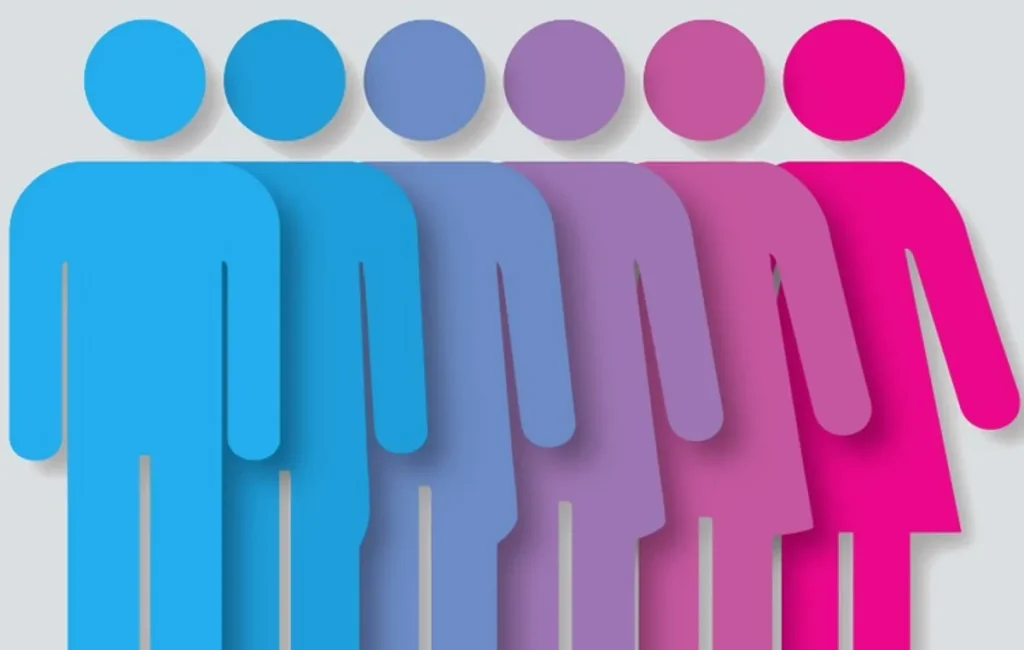
MorningStar Health understands that exploring your gender identity can feel overwhelming or even isolating. That’s why we provide compassionate, nonjudgmental support through our telehealth services. You can connect with licensed professionals from the safety and comfort of your own space, without fear of stigma or misunderstanding.
Our team listens first, validates your experience, and helps you navigate challenges such as social acceptance, medical considerations, or mental health concerns. Together, we build a care plan that fits your goals, whether that includes therapy, coping strategies, or support for family and community interactions.
We prioritize your safety, dignity, and sense of self throughout the process. No matter where you are in your journey, you are seen, heard, and supported. Telehealth makes consistent care accessible, empowering you to take steps toward confidence, clarity, and emotional well-being.
Gender identity isn’t always visible, but it’s deeply real. Many feel a disconnect between how they’re seen and who they are inside. This can cause stress, anxiety, or depression, making daily interactions overwhelming. Feeling unseen or misunderstood can lead to isolation, self-doubt, and emotional exhaustion.
At MorningStar Health, we focus on helping you find your voice. Our approach goes beyond labels; we meet you where you are, exploring your feelings, questions, and experiences. Telehealth sessions make it easier to receive support from a safe, private space, reducing stress and providing continuity of care.
We guide you through the practical and emotional aspects of living authentically, including navigating family, work, social environments, and mental health challenges. We help you build strategies for self-acceptance, resilience, and confidence so that each day feels a little lighter.
You don’t have to face this alone. Together, we create a path that honors your truth, strengthens your mental well-being, and affirms your identity every step of the way.
Gender identity is a person’s internal understanding of their gender, which may or may not align with the sex assigned at birth. It’s a core part of who someone is.
Gender dysphoria is distress caused by a mismatch between assigned sex and true gender. It can create anxiety, depression, body discomfort, and difficulty with social interactions or self-expression.
Through reflection, therapy, support groups, and trusted conversations. Telehealth offers private, safe spaces to explore feelings without fear of judgment.
By listening without judgment, using chosen names/pronouns, advocating for respect, and seeking guidance from professionals when needed.
Telehealth allows private, accessible sessions, consistent monitoring, and support from licensed professionals, reducing stress and barriers to care.
Gender identity relates to who you are; sexual orientation relates to who you are attracted to. They are separate aspects of identity, though both influence self-expression and relationships.
Yes. Children may recognize their gender differently from societal expectations. Supportive adults, listening, and affirmation help healthy development and self-confidence.
It can be fixed for some and fluid for others. Individual experiences vary, and personal understanding may evolve over time.
Yes. Therapy provides validation, coping strategies, guidance for social or medical decisions, and emotional support while navigating identity exploration.
We provide affirming telehealth therapy, personalized guidance, coping strategies, family support advice, and tools to build confidence, resilience, and self-acceptance safely.
