+1 (757)-670-9650

Hoarding is not a choice or a simple matter of disorganization. It is a complex mental health condition rooted in deep emotional distress and anxiety. For someone who hoards, every possession can feel like a vital part of their identity, a memory too precious to lose, or a future necessity.
Letting go can feel physically painful, triggering intense fear and a profound sense of loss. It’s a crushing cycle of shame and isolation, knowing your environment is overwhelming but feeling paralyzed to change it.
The clutter becomes both a prison and a misguided shield from the world. We see the person behind the possessions, the fear, the overwhelm, and the deep desire for relief. This is not a moral failing; it is a cry for help that deserves compassion, not judgment.
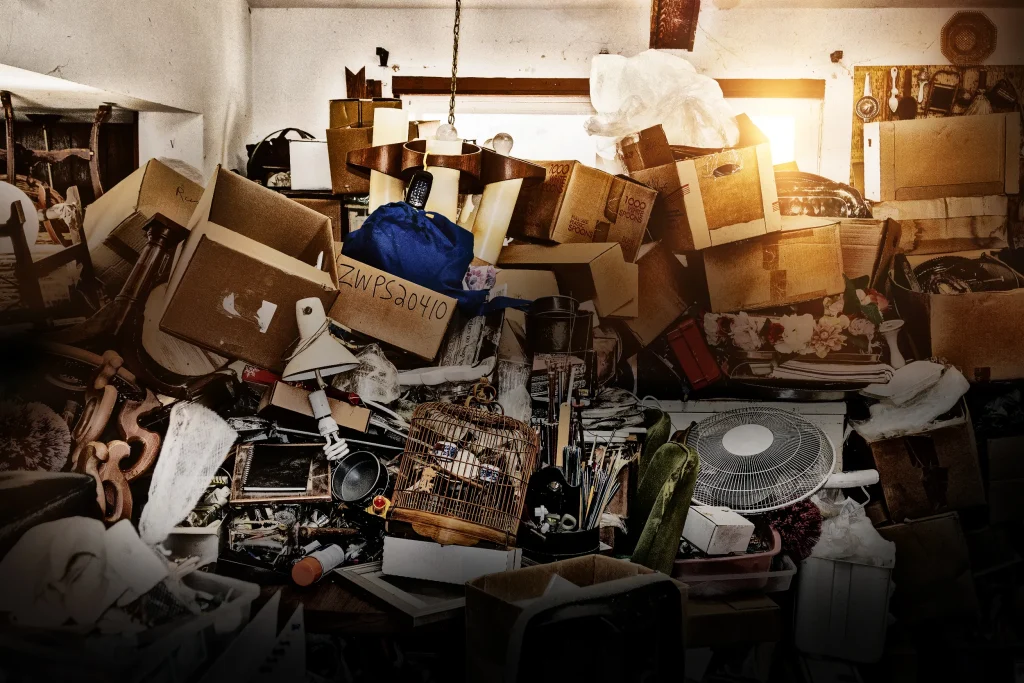
Hoarding can feel like an endless cycle, clutter builds, stress increases, and it becomes hard to focus or relax. MorningStar Health offers telehealth services that make addressing hoarding more accessible, private, and consistent. You don’t have to face it alone.
Our licensed professionals provide compassionate, judgment-free guidance, helping you understand the underlying causes of hoarding, whether anxiety, trauma, or emotional attachment.
Together, we create a step-by-step plan to gradually declutter, develop coping strategies, and rebuild a sense of control in your life. Telehealth allows you to work from the comfort of your home while maintaining accountability and support.
We focus on small, manageable steps, building confidence and reducing anxiety along the way. Every session is personalized, helping you regain a safe, organized living space and a renewed sense of calm.
Beneath the surface of accumulated possessions lies a profound human story. Hoarding is often a desperate, unintentional strategy to meet core emotional needs. The items aren’t just objects; they are attempts to fill a void.
They can represent a shield against a perceived unsafe world, a tangible anchor for a fragile sense of identity, or a substitute for lost connections and memories. The compulsion to acquire and save is a misguided search for wholeness and security.
At MorningStar, our work goes beyond decluttering. We help you uncover the unmet needs that the hoarding behavior is trying to satisfy. In a safe and compassionate space, we explore healthier, more sustainable ways to build a sense of safety.
We cultivate a strong identity and forge genuine connections with others. The journey is about gently letting go of the things so you can finally hold onto yourself. It’s about building an internal foundation of security so strong that the external fortress is no longer needed.
Hoarding is a mental health condition where people struggle to discard possessions, leading to cluttered living spaces, stress, and difficulty functioning in daily life, often accompanied by emotional attachment to items.
Yes. Hoarding affects millions worldwide. It often goes undiagnosed due to shame, isolation, or lack of awareness about effective treatments.
Absolutely. Cluttered spaces and secrecy can strain family, friends, and work relationships, often causing frustration, conflict, or embarrassment.
Yes. Telehealth provides convenient, private, consistent support, guidance, and accountability without the stress of traveling or stigma.
Yes. Understanding, patience, encouragement, and nonjudgmental support can strengthen progress while avoiding pressure or shame.
Hoarding can stem from anxiety, trauma, perfectionism, or difficulty making decisions. Emotional attachment to items and fear of losing them can reinforce the behavior.
Symptoms include difficulty discarding items, cluttered spaces, procrastination, social withdrawal, emotional attachment to possessions, and significant stress or impairment in daily life.
Therapy helps identify underlying causes, develop coping strategies, reduce anxiety, and create structured plans for decluttering gradually.
Often! Hoarding can co-occur with anxiety, depression, ADHD, trauma, or obsessive-compulsive tendencies, which should be addressed for effective recovery.
We provide telehealth counseling, personalized step-by-step plans, emotional guidance, coping tools, and consistent support to help regain control, reduce stress, and create safe, organized living spaces.
